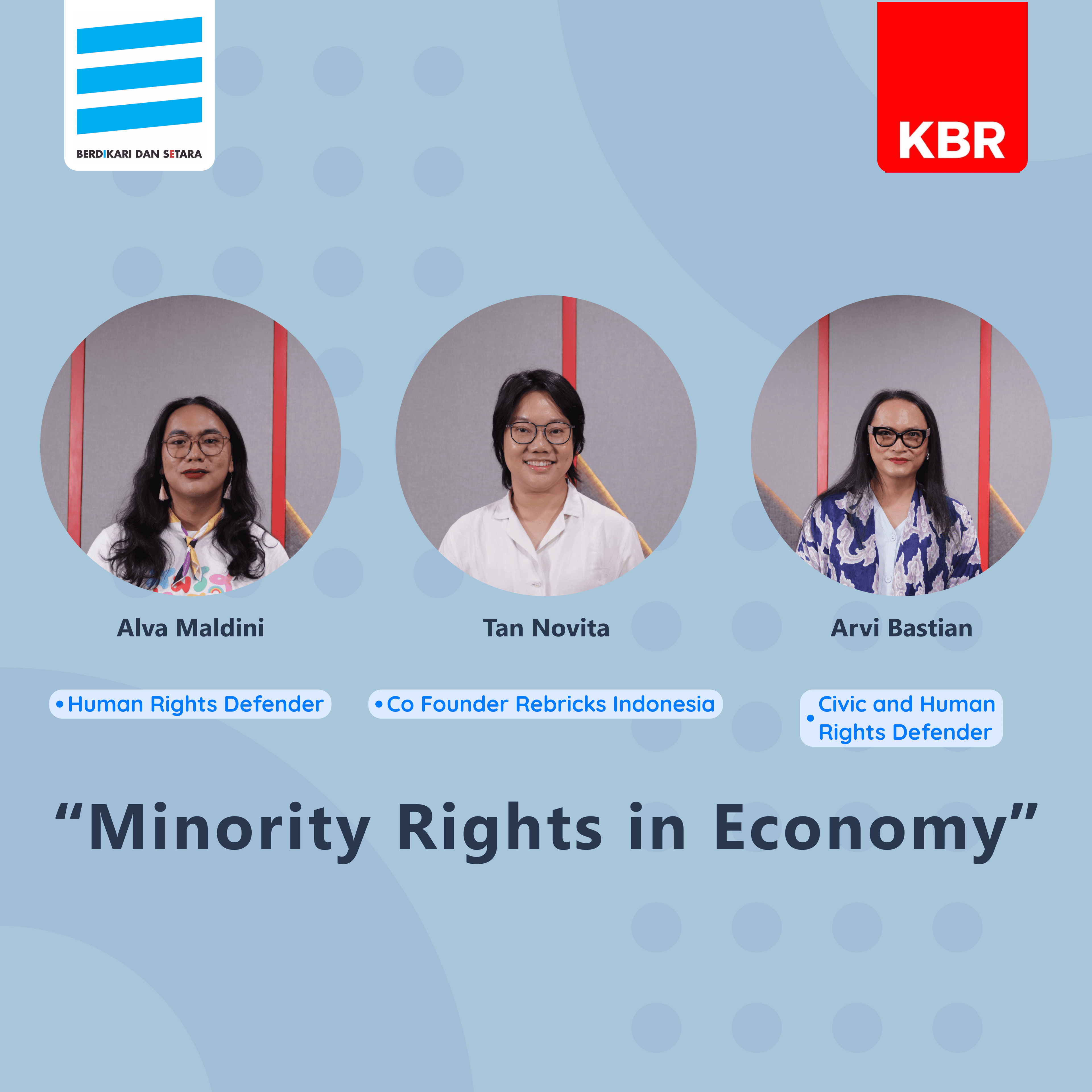
The COVID-19 pandemic served as a severe catalyst for existing economic inequalities, leaving sexual and gender diverse (SGD) minorities to face disproportionately negative outcomes in the post-pandemic recovery. This period saw a deepening of financial precarity characterized by higher rates of job loss and reduced income, particularly among transgender and non-binary individuals who are often concentrated in high-risk service sectors. This instability exacerbated pre-existing vulnerabilities, driving these groups into deeper poverty and heightened food and housing insecurity. Beyond the financial strain, the pandemic compromised vital social safety nets; many SGD individuals—especially youth—were forced into isolation within unsupportive environments, losing access to affirming workplaces and educational safe spaces. The resulting decline in mental health has created an additional, persistent barrier to stable economic participation. Most critically, these challenges were amplified by intersectionality, as SGD people of color and those with disabilities faced the most severe compound disadvantages. Ultimately, these trends reveal that the post-COVID-19 economy has failed to deliver a truly inclusive recovery, signaling an urgent need for focused policy interventions that enforce and protect minority economic rights.
Link survey: https://tinyurl.com/Podcast-E7IE
Komentar
Loading...
